FEATURED
YOUR EVERYDAY ESSENTIALS
ExPLORE
SUPPORT
DYE-FREE CLEANING
FEATURED
YOUR EVERYDAY ESSENTIALS
ExPLORE
SUPPORT
DYE-FREE CLEANING
A quick daily wipe-down keeps things presentable, but it doesn't touch the grease that's been building up inside your range hood filter, the bacteria hiding in your garbage disposal's rubber flap, or the residue that's worked its way into the door seals of your refrigerator over the last six months.
That’s why a proper kitchen deep clean is so important. A spring reset removes buildup that causes odors and harbors bacteria, extends the life of your appliances, and, if you're still using conventional cleaning products loaded with harsh chemicals like butane, diethylene glycol monobutyl ether, or monoethanolamine, it gives you a chance to swap them out for something cleaner.
The other thing spring has going for it: the light. Spring sunlight illuminates every grease smear on the cabinet doors and every water stain on the backsplash, so the areas you’ve been avoiding all winter are suddenly on full display.
Before you start pulling everything apart, it helps to see the full picture. Here's every area this guide covers, in the order that makes the most practical sense:
One rule that makes all of this easier: work top to bottom, clean to dirty. You'll avoid having to redo surfaces that collected crumbs from whatever you cleaned above them.

Countertops, other surfaces, and the backsplash are the most visible areas in your kitchen, so wiping down these areas daily is always a good idea. But under the toaster, along the backsplash grout lines, behind the stand mixer, and at the base of the faucet: that's where crumbs, bacteria, and grime build up.
Clear everything off first. The toaster, the fruit bowl, the coffee maker, the small appliances you use every day—all of it. Deep cleaning is not about wiping around things.
Once the counter is clear, spray surfaces with a plant-based multipurpose cleaner and let it sit for two to three minutes before wiping it all down. That dwell time is doing more work than you are. For grease near the stove zone, you may want to use a plant-based degreaser, which cuts through it more efficiently than a general spray.
For the backsplash, wipe tile from top to bottom. Grout lines that are visibly stained respond well to a stiff toothbrush and a paste of baking soda and water or oxygen bleach. Let it sit, scrub, rinse. For heavier buildup on tile, a thoughtfully formulated degreaser is the most effective.
Don't skip the underside of upper cabinets near the stove. Cooking vapors rise and settle there, making this one of the greasiest—and most overlooked—spots in any kitchen. Wipe down each small appliance with a non-toxic multipurpose cleaner and reusable cleaning cloth before you put it back. Paper towels tend to leave behind fuzz and dust.
Your refrigerator never gets a day off, so the buildup inside and the wear on its components are constant. A spring deep clean is the perfect time to reset it properly.
Inside the Refrigerator
Take everything out. Yes, everything. This is the only way to actually clean the shelves and catch what's expired. Set a cooler nearby for anything that needs to stay cold.
Toss anything past its expiration date. Check the condiment door shelf, the drawer in the very back, and the leftovers you told yourself you'd eat last week.
Remove all shelves and drawers and wash them separately in warm, soapy water. For glass shelves, let them come to room temperature before running warm water over them. Cold glass can crack when the temperature suddenly changes.
Wipe the interior walls, ceiling, and floor of the fridge with a damp cloth and a mild, plant-based cleaner. Pay extra attention to the bottom, where spills tend to pool and harden. Clean the door gaskets—the rubber seals around the perimeter of the door—with a damp cloth. If you’re having trouble cleaning the folds and creases, use a cotton swab. These seals collect moisture and mold faster than most people realize, and a compromised seal affects how efficiently your refrigerator holds temperature.
The Coils and Exterior
This is the part most people skip, but it matters for how efficiently your refrigerator runs. Dirty condenser coils make the appliance work harder, use more energy, and wear out faster. The U.S. Department of Energy recommends cleaning refrigerator coils at least once a year, and spring is a great time to add it to your cleaning checklist.
Pull the refrigerator away from the wall or remove the bottom grille panel to access the coils (check your manual if you're unsure). Use a coil cleaning brush or the hose attachment on your vacuum to remove any built-up dust. Wipe down the exterior of your fridge, including the top, where dust collects, the sides, and the handle, with a non-toxic multi-purpose cleaner.
Cabinets are notorious for two kinds of buildup: the sticky grease that settles on exterior doors near the stove, and the cluttered, expired, mystery-item situation inside. Spring is when you can handle both.
Cabinet Exteriors
The cabinets closest to the stove take the most abuse. Cooking vapors rise and deposit a thin layer of grease that dries, gets tacky, and attracts dust. A plant-powered degreaser is the easiest way to tackle it. Simply apply a few spritzes to the grease spots, let it sit for a minute, and wipe the cabinets with a microfiber cloth, working top to bottom. Remember not to skip the cabinet handles and hardware—they're high-touch surfaces that get cleaned far less often than they should.
Cabinet Interiors
The best approach for clearing out cabinets and clutter is by taking everything out, one section at a time. Once a cabinet is empty, wipe the shelf with a damp cloth and a multipurpose cleaner. Before you put things back, ask honestly: Is this getting used? Do I have three of these? Does this lid belong to anything? Duplicate items, forgotten gadgets, and mismatched containers can go.
Pantry
The key here is going shelf by shelf. Check expiration dates on canned goods, dried pasta, grains, baking ingredients, and spices. Spices lose their potency within one to three years, so if a jar smells like nothing when you open it, it’s likely not good anymore. Wipe down each shelf with a damp cloth and non-toxic cleaner and vacuum out any crumbs. And consider investing in shelf liners; they make future cleanups faster and keep things from shifting around.
Small appliances tend to be the last things cleaned and the first things forgotten. Spring is the time to finally deal with the crumbs inside your toaster and the mineral buildup inside your coffee maker.
Microwave
Fill a microwave-safe bowl with water and a few lemon slices (or a splash of white vinegar). Microwave on high for 3 to 5 minutes until steaming, then let it sit with the door closed for another 5 minutes. The steam loosens the gunk stuck to the interior walls. Remove the turntable plate and wash it separately with warm water and plant-based dish soap. Wipe down the interior with a damp cloth. After the steam treatment, most of the residue will come right off. For anything that's still holding on, a quick spritz of plant-based multipurpose cleaner will finish the job. Clean the exterior, including the door handle and control panel. Since you’re dealing with an electric, be sure to spray your cloth first, then wipe, not the other way around.
Toaster and Toaster Oven
Whether you’re cleaning a toaster or a toaster oven, always unplug it first. Remove the crumb tray, empty it, and wash it with warm, soapy water. Tip the toaster upside down over the trash and gently shake it to dislodge buildup inside the slots. For a toaster oven, remove the baking rack and wash it with warm, soapy water, then wipe the interior with a damp cloth. If you have a stainless steel toaster or toaster oven, use a consciously crafted polish to make it really shine.
Coffee Maker
When cleaning the coffee maker, start by washing the carafe, the lid, and the filter basket in warm soapy water. To descale the machine (aka get rid of that brown ring), run a brew cycle with a 1:1 mixture of white vinegar and water, then two to three plain water cycles to rinse it all out. Mineral buildup from hard water affects both the taste of your coffee and the lifespan of the machine, so this step is crucial. Once that’s done, wipe down the warming plate and exterior with a cleaning cloth and non-toxic multipurpose cleaner.

If there's one area that makes people delay the whole kitchen deep clean, this is it. The oven has a reputation for being a production, and the conventional cleaning products designed for it—the kind that come with warnings about ventilation and skin contact—don't exactly make you want to dive in.
The good news? You don’t need harmful chemicals to clean the oven. Our guide to mom-approved oven cleaning hacks covers this zone in detail. But here's the short version for checklist purposes:
Oven: Remove racks and set them to soak in warm, soapy water in the sink for at least 20 minutes. Make sure you’re using a gentle dish soap to avoid coating them in harsh residue. Spray the oven interior with a heavy duty degreaser and let it sit for 5 to 10 minutes before wiping. That dwell time loosens baked-on grease, so you're not scrubbing harder than you need to. Follow up with a non-scratch scrubbing pad on stubborn spots. Clean the oven door glass inside and out using a degreaser first for heavy residue, then an ammonia-free glass cleaner for a streak-free finish.
Stovetop: Remove burner grates (gas) or drip pans (electric) and soak them like you did the oven racks. Spray the stovetop surface with a non-toxic degreaser and let it sit for a few minutes before wiping it down. Next, give some attention to the knobs—they're one of the most-touched, least-cleaned surfaces in any kitchen. Remove them if they twist off and wipe the panel underneath with a degreaser or multi-purpose cleaner.
Range hood: The range hood filter catches grease-laden air every time you cook, and by spring, it's usually caked in sticky grime. Start by removing the metal mesh filter—most slide or pop out easily—and submerge it in very hot, soapy water for 15 to 20 minutes. The grease releases significantly with soaking. After soaking, scrub the filter with a soft brush, rinse it well, and let it dry completely before replacing it. Wipe down the interior and exterior of the hood with a non-toxic degreaser and cleaning cloth while you're in there.
The kitchen sink sees more action than almost any other surface in your home—and research shows it harbors more bacteria than the bathroom sink, with nearly half of kitchen sinks in one international study testing above 100,000 bacteria per square centimeter. So if you’re going to skip any item on this list, don’t make it the sink.
Sink
To tackle sink grime, scrub the sink basin with a non-toxic multipurpose cleaner or an enzyme paste and a few drops of dish soap. Use a soft brush or non-scratch sponge to get into the corners and around the drain. Wipe down the faucet, handles, and the base of the faucet—that's where gunk accumulates and almost never gets wiped. Use a cotton swab or an old toothbrush to handle tight, hard-to-get-to spots. For stainless steel, wipe in the direction of the grain with a polish.
Garbage Disposal
The garbage disposal's rubber flap—the one you push food through—is one of the most overlooked bacteria spots in any kitchen. The underside collects food residue that the splash of water after dinner never reaches.
With the disposal off, lift the rubber flap and scrub both sides with a brush and dish soap. To deodorize: freeze white vinegar in an ice cube tray, then run a handful of the frozen cubes through the disposal with the water running. The ice helps clean the blades, and the vinegar neutralizes odors. Follow with a few lemon peels run through the disposal for a fresh finish.
Drains
Begin by removing and cleaning the drain strainer or stopper; debris buildup here slows drainage and creates odor. Then, pour a kettle of boiling water down the drain to help loosen grease in the pipe. If drainage is slow, pour baking soda followed by white vinegar down the drain, left to sit for 15 to 20 minutes, then flush it out with hot water to clear mild blockages without reaching for a harsh chemical drain cleaner.
Your dishwasher cleans your dishes. But the dishwasher itself? That's on you. Mineral deposits, grease, food debris, and soap scum accumulate inside the machine over time, and the signs show up as cloudy glasses, a persistent smell, or dishes that don't come out as clean as they should.
Step 1: Clean the filter. Most modern dishwashers have a removable filter at the bottom of the tub. Pull it out, rinse under warm water, and scrub with a soft brush and dish soap. A clogged filter is one of the most common reasons for poor dishwasher performance, and it's a 2-minute fix.
Step 2: Wipe the door seal and interior edges. Use a damp cloth to wipe around the rubber gasket and along the edges of the tub where the wash cycle doesn't always reach. This is where grime and mold like to hide.
Step 3: Run a cleaning cycle. Place a dishwasher-safe bowl filled with white vinegar on the top rack and run a hot water cycle. The vinegar breaks down mineral buildup and grease. Follow with a sprinkle of baking soda on the bottom of the tub and a short hot cycle to deodorize. You can also use a plant-powered dishwasher cleaner. Simply sprinkle it around the bottom of the dishwasher, run a heavy, hot cycle, and you’re done.
Step 4: Check the spray arms. Remove them if possible and check the holes for any blocked debris. Use a toothpick to clear clogged nozzles quickly and easily.
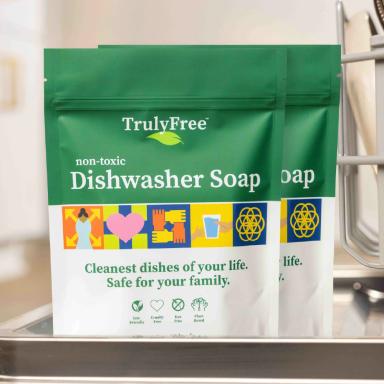
Mom-approved move: Using a gentle dishwasher soap day-to-day helps prevent the toxic residue buildup that makes deep cleaning your dishwasher harder, so look for formulas free of chlorine, phosphates, and harsh fragrances.
Kitchen floors experience more traffic, more spills, and more dropped food than any other floor in the house. And the grout lines, corners, and the space under appliances accumulate a season's worth of grime between deep cleans.
Floors
Start by sweeping or vacuuming thoroughly. Don’t be afraid to go under the stove, refrigerator, and dishwasher if you can get to those spaces. Food debris under appliances is a common source of both odors and pests.
Mop with a consciously formulated floor cleaner appropriate for your floor type. For tile, pay close attention to grout lines. Light-colored grout discolors over time, and a paste of baking soda and water or oxygen bleach applied with a stiff brush can lift surface staining. Let the stain remover sit for a few minutes before scrubbing, then rinse or mop it up. Allow floors to dry completely before moving appliances back into place.
Baseboards
Kitchen baseboards collect grease, dust, and whatever gets swept toward the wall over the course of a season. Vacuum them using the hose attachment first, then wipe them down with a damp cloth and a mild all-purpose cleaner.
These are the finishing touches, the parts that, once complete, make the whole kitchen feel like a different room. Windows and light fixtures are also the areas most people skip in a standard clean.
Windows
Wipe down window sills and frames to remove the layer of dust and cooking moisture that accumulates there. Clean the glass with an ammonia-free glass cleaner and a lint-free cloth in circular motions. If you can clean both sides, do. The inside of a kitchen window picks up grease from cooking; the outside has weather to contend with.
Light Fixtures
Turn the lights off and let the bulbs cool before touching them. Remove any glass globes or shades and wash them with warm, soapy water, then dry them completely before replacing. Wipe down the fixture base. Grease-coated kitchen light fixtures dim the room more than a dead bulb does, so cleaning them makes a noticeable difference in how bright and fresh the space feels.

A spring deep clean is most effective when it raises your baseline, so you're not starting from scratch again in six months. And the habits that actually stick aren't complicated; they just need to be consistent. Here are some tips to help you keep your kitchen clean all year round.
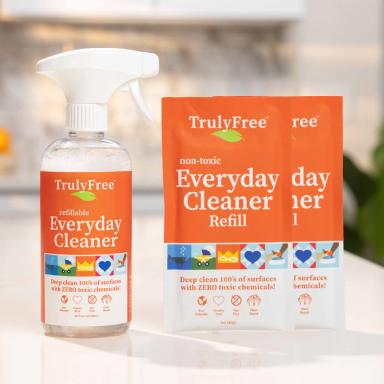
The 2-minute wipe-down. After cooking, while the stovetop is still warm, wipe it down. Fresh grease takes seconds to remove, while week-old grease takes effort. Keep a bottle of everyday cleaner or degreaser on the counter or under the sink so it's within reach when you need it.
Weekly sink scrub. This task takes 5 minutes, prevents that sour smell from building up in the drain and disposal, and keeps bacteria from getting a foothold on surfaces that touch your food and your dishes.
Monthly refrigerator check. Before your grocery run, do a quick scan for anything that's about to expire or already has. Once a month, pull out the drawers and give them a proper wipe.
Quarterly appliance resets. Mark it on your calendar and once a quarter, clean your dishwasher filter, wipe down the oven interior, and check the range hood filter. Buildup is inevitable, but it’s much easier to stay on top of than to tackle twice a year.
Keep your cleaners close. The more convenient the cleaner, the more likely you are to actually use it between deep cleans. A non-toxic spray that's already on the counter gets used. One stored under the sink and buried behind other things does not.
You've done the hard part. Now you just have to maintain it—and with a few minutes each week, that's a lot more manageable than it sounds. Of course, the most impactful thing you can do when cleaning your kitchen is to use better cleaning products. For that, there’s Truly Free Home. Our lineup of plant-based cleaners is made without common harsh ingredients you’ll find in conventional brands, so you can keep your kitchen sparkling and your family healthier and happier.