FEATURED
YOUR EVERYDAY ESSENTIALS
ExPLORE
SUPPORT
DYE-FREE CLEANING
FEATURED
YOUR EVERYDAY ESSENTIALS
ExPLORE
SUPPORT
DYE-FREE CLEANING
A surfactant — short for "surface active agent" — is a molecule with two ends: one that attracts water and one that attracts oil and grease. This dual structure is what makes cleaning possible. When you add a surfactant to water, it breaks the surface tension, allowing the water to spread across surfaces and get underneath dirt, grease, and grime. The surfactant molecules surround the dirt particles, lift them off the surface, and suspend them in water so they can be rinsed away.
Without surfactants, water alone would bead up on greasy surfaces and slide right off without doing much. That's why plain water can't clean a greasy pan, but a drop of dish soap can.

Naturally derived surfactants are made from renewable plant sources, most commonly coconut oil, palm kernel oil, or corn sugar. The raw materials go through a chemical process to become functional cleaning agents, but the starting ingredients are plant-based rather than petroleum-based. Common examples include coco glucoside, decyl glucoside, and lauryl glucoside.
Synthetic surfactants are derived from petroleum or manufactured through industrial chemical processes. Common ones include sodium lauryl sulfate (SLS), sodium laureth sulfate (SLES), and nonylphenol ethoxylates (NPEs). These are widely used because they're inexpensive to produce and create a lot of foam, but they're also associated with skin irritation and environmental concerns.
Biosurfactants are produced by microorganisms like bacteria and yeast. They're the most naturally occurring type of surfactant, and while they're gaining attention in industrial and environmental applications, they're less common in household cleaning products due to higher production costs.
Not all surfactants are created equal when it comes to safety. Synthetic surfactants like SLS and SLES are known skin irritants, particularly for people with eczema or sensitive skin. Some synthetic surfactants also contain trace amounts of 1,4-dioxane, a contaminant linked to long-term health concerns. Beyond personal health, petroleum-based surfactants can persist in waterways and harm aquatic ecosystems after they go down the drain.
Plant-based surfactants are generally gentler on skin and break down more readily in the environment. Biodegradable surfactants decompose into harmless components after use, reducing their impact on water systems and aquatic life. For families with young children, pets, or anyone with chemical sensitivities, non-toxic surfactants are a meaningful upgrade from conventional formulas.
One common concern about plant-based surfactants is whether they clean as well as synthetic ones. The short answer: yes. Naturally derived surfactants are effective at breaking down grease, food residue, body oils, and everyday dirt. They may produce less foam than synthetic alternatives, but foam doesn't equal cleaning power, it's mostly cosmetic.
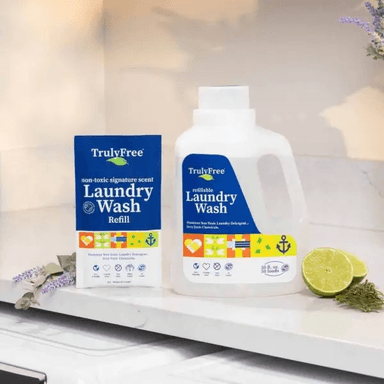
In laundry detergent, plant-derived surfactants break down body oils, sweat, food stains, and odor-causing residue without leaving behind harsh chemical deposits on fabric. This matters especially for baby clothes, bedding, and anything that sits against sensitive skin. Truly Free Home Laundry Wash is formulated with majority plant-powered surfactants and is free from dyes, toxic or harsh fragrances, phosphates, and optical brighteners.
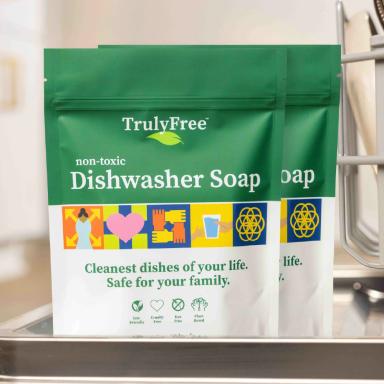
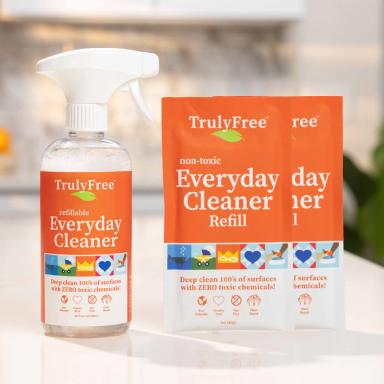
For surface cleaning, plant-based surfactants cut through kitchen grease, bathroom grime, and everyday spills without the fumes or residue that come with petroleum-based cleaners. Truly Free Home Everyday Cleaner and Truly Free Home Dish Soap both use plant-derived surfactants to clean effectively on contact while remaining safe to use around kids and pets.

Truly Free Home formulas are built on plant-powered surfactants sourced from renewable resources. Across the full product line — from laundry to kitchen to bathroom — the formulas contain no phosphates, no chlorine bleach, no optical brighteners, and no toxic or harsh fragrances. Every product is designed to clean effectively while being safer for the people and surfaces in your home.
This approach matters most in the products you use the most often: the detergent that washes your family's clothes, the cleaner you spray on the counter before dinner, the soap you use on the dishes your kids eat from. When the surfactants in those products come from plants, you reduce your household's daily exposure to unnecessary harsh chemicals without sacrificing cleaning performance.