FEATURED
YOUR EVERYDAY ESSENTIALS
ExPLORE
SUPPORT
DYE-FREE CLEANING
FEATURED
YOUR EVERYDAY ESSENTIALS
ExPLORE
SUPPORT
DYE-FREE CLEANING
There’s no universal definition for “plant-based,” so while the term is generally used to describe products with ingredients derived from plants rather than petroleum, there’s no established percentage or requirement to meet. One product might be made entirely with plant-derived ingredients and be fully transparent about its contents. Another could be made up of mostly synthetic ingredients, like artificial fragrance and dyes, along with petroleum-derived surfactants (more to come on that), and still say “plant-based” on the front of the bottle.

What’s inside a cleaning product matters more than what’s printed on the outside. Case in point: surfactants. Surfactants are the unsung heroes of cleaning products; they’re necessary to break down grease, lift dirt, and allow water to rinse everything away. And they either come from petroleum (like sodium lauryl sulfate (SLS), sodium laureth sulfate (SLES), and nonylphenol ethoxylates (NPEs)) or plants (like coconut oil, palm kernel oil, or corn sugar).
A good rule of thumb: If you see “glucoside” listed as an ingredient, it’s typically plant-derived. If you see something broad like “surfactant blend” without any additional details, that’s a reason to look closer into the brand’s ingredient transparency.
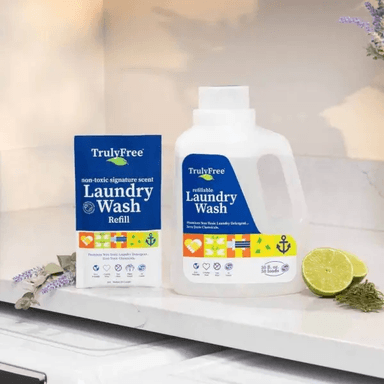
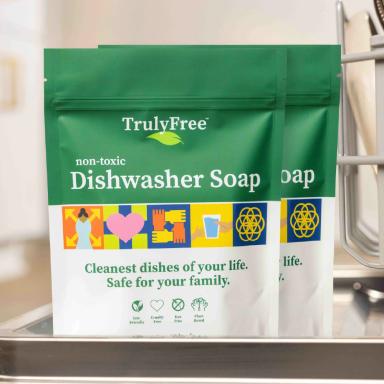
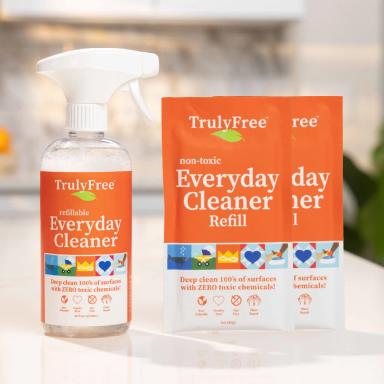
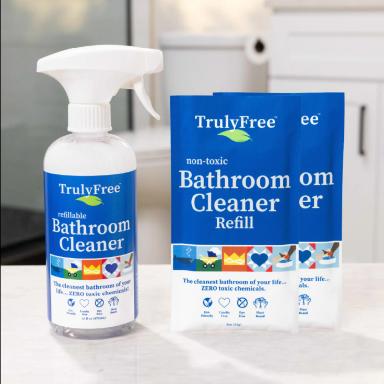
Truly Free Home products are formulated with plant-derived surfactants—without petroleum-based cleaning agents, phosphates, or chlorine bleach.
The same goes for fragrance. A product can have many plant-derived ingredients, yet use a fragrance blend made from synthetic chemicals or undisclosed synthetic compounds. If a label simply lists “fragrance” or “parfum” without explaining what that means, it could be a red flag and worth searching for more information from the brand about what goes into it.
Every product in the Truly Free Home line is formulated with only plant-based essential and fragrance oils. We also offer unscented household cleaners and laundry products for those who may be sensitive to natural scents.

A trustworthy brand doesn’t hide behind vague wording—it tells you every ingredient in its products. When it uses “plant-based” to describe the contents of a product, it should trace them back to a list of plants you can make out. The clearer a brand is about what’s actually inside, the easier it is for you to make an informed choice.
Instead of taking a “plant-based” label at face value, look for certifications with defined standards, like Leaping Bunny, EPA Safer Choice, EWG Verified, or B Corp certification. While no certification is 100 percent foolproof, third-party standards and verification go a lot further than an unregulated “plant-based” claim.
When shopping for a cleaning product, keep these questions in mind:
At Truly Free Home, we believe you shouldn’t have to take our word for it. Our products are made with ingredients we clearly disclose, and we’re proud to have earned the Leaping Bunny certification.
A cleaning product with “plant-based” printed on it can feature ingredients sourced from plants while still containing synthetic or petroleum-derived ingredients. “Plant-based” holds real value only when a brand backs it up with transparency: specific ingredients, sourcing information, and certified third-party standards. Otherwise, it’s little more than fluff on the front of the bottle. The next time you see “plant-based” in the cleaning aisle, dig deeper into what’s actually inside.