FEATURED
YOUR EVERYDAY ESSENTIALS
ExPLORE
SUPPORT
DYE-FREE CLEANING
FEATURED
YOUR EVERYDAY ESSENTIALS
ExPLORE
SUPPORT
DYE-FREE CLEANING
The best low-cost fun activities don't come from a store, they come from a little creativity and whatever you already have around the house. A cardboard box becomes a spaceship, a bag of flour becomes sidewalk paint, and a handful of pinecones becomes a sensory adventure.
Rock painting is one of those crafts you can make at home with almost zero prep. It's a hit with preschoolers who want to make rainbow blobs and with teenagers who want to paint detailed designs. During walks, enjoy searching for painted rocks others have left — this is great for the littles. For older kids, painting them and leaving them around the neighborhood is just as much fun.
Step 1: Choose your rock and decide on a design. Younger kids might paint a ladybug or a smiley face. Teens might try a sunset, a quote, or something more detailed.
Step 2: Paint away. There's no wrong way to do this.
Step 3: Let them dry for at least one hour.
Step 4: Go on a family walk and leave them for others to find — or line them up in the garden.
For preschoolers and kids under 7, acrylic paint markers are the way to go. They're easier to grip, less messy, and don't require water or brushes. For tweens and teenagers, regular acrylic paint gives more control for detailed art and craft ideas like landscapes, animals, or patterns. Either way, lay down newspaper or an old sheet first — it makes cleanup much faster.

This one doubles as a nature lesson. Kids get to build something with their hands, hang it outside, and then watch the birds show up. It's a rewarding homemade craft idea that works for summer activities for 5-year-olds all the way through 11-year-olds and beyond.
Step 1: Thread yarn through the toilet paper roll and tie a tight knot so it can hang from a tree branch.
Step 2: Spread peanut butter generously over the entire outside of the tube.
Step 3: Pour birdseed onto a plate and roll the tube in it until the peanut butter is fully coated.
Step 4: Find the perfect tree branch and hang your ornament.
Step 5: Watch and see which birds come in for a snack. Older kids can keep a journal of the different species they spot.
Sensory bins are one of the best low-cost fun activities for younger children, and they require almost no money at all. The concept is simple: fill a bin with interesting textures and materials, then let kids explore. It builds fine motor skills, sparks imaginative play, and keeps little ones engaged for a surprisingly long time.
Step 1: Head outside and collect nature items together. This is half the fun — let kids pick whatever catches their eye.
Step 2: Add everything to the bin. Mix textures: smooth rocks next to rough pinecones, soft petals next to gritty sand.
Step 3: Toss in some play animals, plastic bugs, or small cars if you have them. These turn the bin into a whole world for storytelling and imaginative play.
Step 4: Let their imagination take over. Younger kids will love sorting, scooping, and arranging. Older preschoolers might build little scenes or tell stories with the materials.
For easy cleanup when sensory bin time is over, keep a non-toxic all-purpose cleaner nearby to wipe down surfaces quickly.
When it's 100 degrees outside or pouring rain, indoor forts save the day. This is one of those inexpensive summer activities that costs absolutely nothing and works for kids of all ages — including teenagers who pretend they're too cool but absolutely still love it. Parents too.
Step 1: Help your kids set up the structure. Younger kids will need some adult engineering to get the walls and roof to stay up. Older kids and teens can handle it themselves — challenge them to build the biggest one possible.
Step 2: Add pillows and blankets for comfort inside.
Step 3: Bring in the good stuff — books, flashlights, stuffed animals, a favorite snack.
Step 4: Let them enjoy the space they created. Forts make great reading nooks, movie-watching spots, or just a cozy place to hang out on a hot afternoon.
After fort day, toss all those blankets and pillowcases in the wash with a gentle, non-toxic laundry detergent to freshen everything up without harsh residue on the fabrics your kids sleep with.
Chalk paint turns your driveway or sidewalk into a giant canvas, and it washes off completely with water. It's one of the most fun and easy things to make at home — the recipe is simple enough that young kids can help mix it, and the painting part is great for every age from preschoolers to teenagers.
Step 1: Mix flour and water together until fully combined. This is a great step for kids to help with.
Step 2: Pour the mixture into a muffin pan, dividing it evenly.
Step 3: Add two to five drops of food coloring to each section and stir until the color is mixed through.
Step 4: Head outside and paint. Younger kids will love making big, colorful swooshes. Older kids and teens can draw murals, write messages, or create detailed designs.
The best part: it all washes away with the next rainstorm or a quick spray from the hose, so your driveway is a fresh canvas every time.

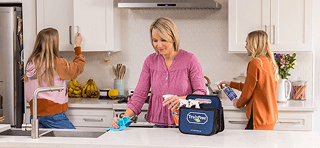
Between painted rocks, chalk paint, birdseed, and sensory bins, summer fun comes with its share of messes. The good news is that cleanup doesn't have to involve harsh products, especially in a house full of kids and pets.
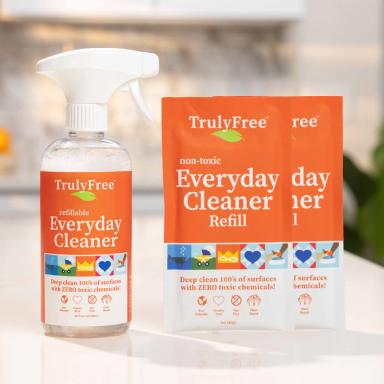
Truly Free Home Everyday Cleaner handles paint splatters on countertops, sticky peanut butter residue, and general craft mess on most surfaces. It's non-toxic and safe to use around kids, so you can spray down the table right after an activity without worrying about chemical residue on surfaces they'll touch again in five minutes.
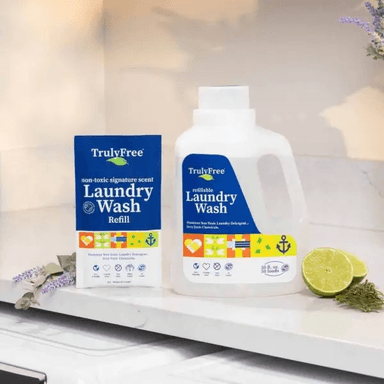
For chalk paint and outdoor art supplies that end up on clothes (because they always do), Truly Free Home Laundry Wash gets the stains out without the toxic or harsh fragrances found in conventional detergents. Toss everything from the day's adventures in one load and it comes out fresh.
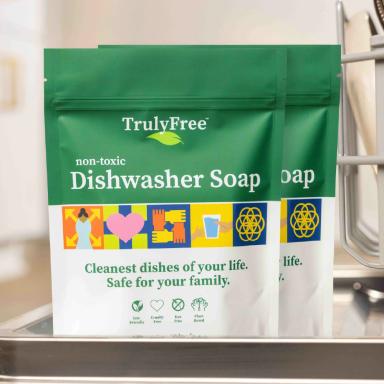
And for the dishes — the mixing bowls, muffin pans, and plates covered in birdseed and peanut butter — Truly Free Home Dish Soap cuts through the mess without leaving behind any harmful residue on the surfaces you eat from.