FEATURED
YOUR EVERYDAY ESSENTIALS
ExPLORE
SUPPORT
DYE-FREE CLEANING
FEATURED
YOUR EVERYDAY ESSENTIALS
ExPLORE
SUPPORT
DYE-FREE CLEANING
Though dogs and other pets are also susceptible to harsh ingredients in cleaning products, cats are at greater risk for a few reasons. One reason is simply their size. On average, cats tend to be smaller, so harsh ingredients can have an outsized impact on them compared to dogs.
Another reason is their natural behavior. Even if you don’t own a cat, if you’ve spent any amount of time around one, you know how agile—and prone to jumping up onto things—they are. Cats’ roaming, curious natures mean they can wind up in places they shouldn’t be, whether that be on freshly disinfected countertops or in the back of a cabinet you didn’t know you left open. This inclination to explore, combined with their frequent self-grooming, makes it more likely that they could come into contact with a harmful product, get it on their fur and skin, and then ingest it later when they groom themselves.
Another factor contributing to cats’ elevated risk is they process some ingredients differently in their bodies. Due to a lack of certain enzymes in their livers, cats’ ability to metabolize specific chemicals is limited, making them more vulnerable when they come in contact with or ingest toxic ingredients or residue from cleaning products.

So, what ingredients should you look out for when choosing cleaning products you feel good using around your cat? Here are the top toxins to avoid—they’re surprisingly more common than you’d think.
Used for disinfecting and laundry, bleach is super toxic to cats. The fumes can cause respiratory distress, and when this harsh chemical comes into contact with their skin, it can lead to irritation or even burns. And for cats, bleach mimics the smell of their urine, so they’re naturally attracted to it. So your best bet is to avoid bleach in your home altogether.
Commonly found in: laundry products, bathroom cleaners, surface cleaners, drain clog removers, pool chlorine tablets
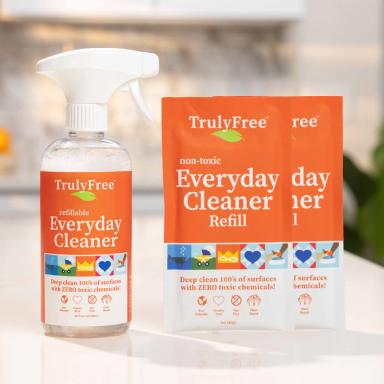
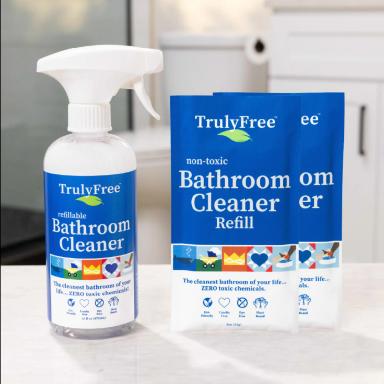
Easy swaps: OxyBoost, Bathroom Cleaner, Everyday Cleaner
Another harmful ingredient found in many products, ammonia is known to be highly toxic to pets—particularly cats. Because it evaporates quickly, it’s often used in glass or stainless steel cleaning solutions to help avoid leaving streaks. The trouble is, like bleach, cats are attracted to ammonia because it smells like cat urine. But direct contact or ingestion of ammonia-based cleaners can cause burning eyes, skin, or mouth, and gastrointestinal issues.
Important note: Bleach and ammonia should never be used together. When combined, they create a toxic gas that can be fatal, so it’s critical to read product labels carefully.
Commonly found in: degreasers, window and glass cleaners, multi-surface cleaners, floor cleaners
Easy swaps: Heavy Duty Degreaser, Glass Cleaner, Floor Cleaner
This is a chemical you’ve likely heard of, but maybe didn’t realize is used in home cleaning products. But formaldehyde and chemicals that release formaldehyde are used in many household cleaning and personal care products. Not only is it a known carcinogen, it can induce vomiting and diarrhea, and damage liver mitochondria in cats.
Commonly found in: laundry detergent, fabric softener, dishwasher detergent, floor cleaners, and all-purpose cleaners
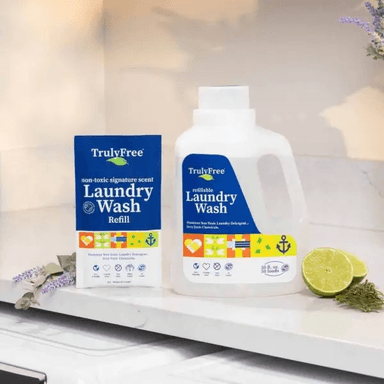
Easy swaps: Unscented Laundry Wash, Unscented Softening Rinse, Floor Cleaner, Everyday Cleaner
Also known as carbolic acid, phenol was historically used as a disinfectant and antiseptic. It’s found in products that contain pine oil, though it is important to note that today, “pine scented” does not always mean that a product contains actual pine oil. While less common in household cleaning products in the U.S. nowadays, cleaners containing phenol are still used in industrial and medical settings. Still, it’s important to check labels to ensure phenol isn’t listed, as cats don’t have the liver enzymes required to digest it, making it potentially fatal if ingested.
Commonly found in: disinfectants
Easy swaps: Everyday Cleaner, Floor Cleaner
While not strictly a cleaning ingredient, essential oils can often be found in cleaning products, even ones that are labeled as “pet safe.” All essential oils have the potential to cause toxicity in cats, but some are known to be more serious, including peppermint oil, tea tree oil, eucalyptus oil, and lavender oil. So, as a general rule, cat parents should opt for fragrance-free and unscented cleaning products.
Commonly found in: soaps, laundry detergent, surface cleaners
Easy swaps: Aloe Hand Soap (Unscented), Unscented Laundry Wash, Everyday Cleaner
The best thing you can do to create a happy home for your feline family member is to read product labels carefully and switch to unscented, plant-based products, like Truly Free Home’s, when possible. Making sure you know what you’re using and that you’re using it correctly is essential.
While cleaning, maintain good ventilation and do what you can to keep your cat out of the room. When you’re done, properly store your cleaning products and tools. This will make it less likely that your pet could get into them—and into serious trouble.
While the risk of potentially poisonous products can feel overwhelming, doing what you can to keep your cat happy and choosing better cleaners is a great step. What matters most is that your furry friend is happy and healthy.