Box #1

Non-Toxic Guide to Cleaning Lunch Boxes and Water Bottles

Posted By: Truly Free Home|Posted On: 8/3/2026

Quick Start Guide: How to Clean Lunchboxes & Water Bottles, Without Harsh Chemicals

  • Aim to wash water bottles daily. Dish soap, hot water, and a scrub brush go a long way. Be sure to disassemble all parts before washing and let dry completely.
  • Lunchboxes can be wiped down daily with a gentle cleaning spray. For cleaning spills, use dish soap and hot water to hand wash. Some insulated lunchboxes may even be able to be washed in the washing machine.
  • Why it matters: Water bottles especially can get quite germy. Bacteria from our bodies gets into the bottle when we drink from it. When left unwashed for too long, bacteria can form a slimy biofilm inside the bottle, and ingesting mold and bacteria from dirty water bottles can even make you sick.

A Step-by-Step Guide to Washing Water Bottles

  1. Disassemble all parts. Remove any straws, lids, or other pieces. Mold and bacteria tend to build up in these harder-to-reach spots.
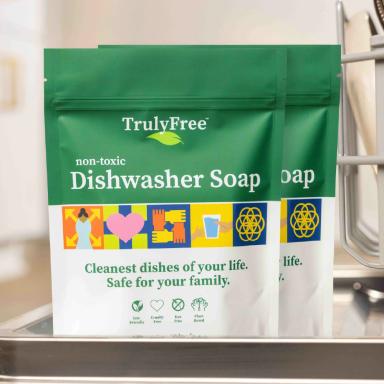
  2. For particularly dirty bottles, soak. If your water bottle needs a little extra TLC, start by soaking it and any detachable pieces in hot, soapy water, using a dish soap like Truly Free Home Non-Toxic Dish Soap.
  3. Wash. Check your water bottle’s care manual—you may be able to put it (or parts of it) in the dishwasher. If not, use your favorite dish soap and hot water. Be sure to use hot water, rather than lukewarm or cool, as it cleans more effectively.
  4. Scrub. While washing by hand, it’s important to use a bottle brush to reach all the way into the water bottle. For spouts, straws, and other nooks and crannies, use a smaller brush to make sure they get clean too.
  5. Rinse. Rinse thoroughly, ensuring no soap residue is left over.
  6. Dry. Whether drying with a towel or air drying, allow the water bottle and all its parts to dry completely. This is an important step because when moisture accumulates, mold can grow.

A Step-by-Step Guide to Cleaning Lunchboxes

  1. Shake out any crumbs. Get rid of all leftover food scraps and get debris out of the way before further cleaning.
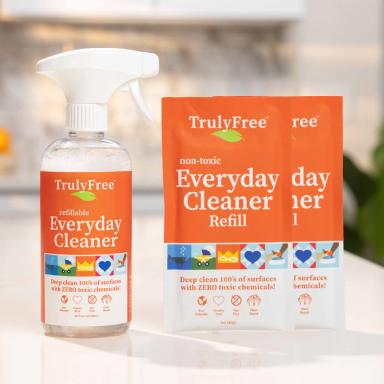
  2. For daily maintenance, simply wipe the interior with a cloth and a gentle cleaning spray like Truly Free Home Everyday Cleaner.
  3. For a deeper clean or cleaning up lunchtime leaks, wash with dish soap and hot water. If you have a hard-sided (metal or plastic) lunchbox, reference the lunchbox’s care manual for guidance on whether or not it can be washed in the dishwasher. If you have a soft lunchbox (fabric, padded, or insulated), check the care manual to see if it can be washed in the washing machine. If you’re uncertain, the safest route to ensure it doesn’t get damaged is to hand wash it.
  4. Dry. For hard-sided lunchboxes, you can wipe dry with a towel or air dry. For soft lunchboxes, set it out to air dry. Make sure the lunchbox is completely dry before packing it away or using it again.
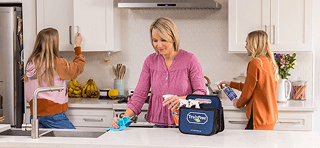
Woman using TFH non-toxic dish soap at the sink

Why Cleaning Your Water Bottles and Lunchboxes Matters

Both lunchboxes and water bottles can become breeding grounds for bacteria and germs if not cared for properly. With leftover food crumbs, leaks from containers or bags, and kiddos’ messy eating habits, lunchboxes can get quite dirty. These messes even can grow mold if they’re left too long.


For water bottles, every time we drink from them, we’re introducing germs that live in our bodies into the bottle. Germs on our hands from surfaces we touch wind up on the bottle that we then drink from. Both of these things combined with the fact that dark, damp environments (like the inside of your water bottle) are the kind of environment where bacteria thrives, mean that washing your water bottle regularly is important. When left unwashed for too long, a slimy layer of bacteria called biofilm can form on the inside of your water bottle. And drinking bacteria or mold, can even make you sick in some cases. To avoid this, aim to wash your water bottle on a daily basis, or have multiple that you can rotate through every day between cleanings.


While cleaning water bottles and lunchboxes can feel tedious, it is important—and even helpful. Having clean, ready-to-use supplies that you can just pack and go in the morning is a simple way to make getting out the door easier for you and your family.
SHOP TRULY FREE HOME