FEATURED
YOUR EVERYDAY ESSENTIALS
ExPLORE
SUPPORT
DYE-FREE CLEANING
FEATURED
YOUR EVERYDAY ESSENTIALS
ExPLORE
SUPPORT
DYE-FREE CLEANING
Not all ink is created equal, and the type of ink stain you’re up against determines the best course of action.
Water-based inks, found in washable markers and some gel pens, are the easiest to remove. These respond well to cold water and gentle detergents.
Oil-based inks, like those in ballpoint pens and permanent markers, are trickier. They require a solvent to break down the ink before washing.
If you're not sure which type you have, start with the gentlest method first.
Before treating any ink stain, take a moment to evaluate a few things:
Is the stain fresh or set-in? Fresh ink is much easier to lift than dried ink that has had time to bond with fabric fibers. If the stain is new, act quickly for best results.
What fabric are you working with? Delicate fabrics like silk, wool, or rayon need gentler treatment than cotton or polyester. Always check the care label before applying any stain remover.
Is the fabric colorfast? Test your stain removal method on an inconspicuous area first, like an inside seam. If the fabric's color bleeds or fades, try a different approach.
The ink stain removal method you use depends on the type of ink and the fabric. Here’s how to remove ink from clothes for the most common stains and fabrics.
For water-based ink, dampen a clean cloth with water and blot the stain. Apply a small amount of dish soap or laundry detergent, gently work it into the stain, and rinse. Repeat as needed before laundering.
For oil-based ink, you'll need something that can dissolve the oils. Rubbing alcohol is a common choice. Place a clean cloth under the stained area, apply the alcohol to the stain, and blot from the outside in to prevent spreading. Once the ink transfers to your cleaning cloth, launder as usual.
The wrong approach to ink removal can do more damage than the stain itself. Here's how to tackle ink on some of the most common fabrics in your closet and linen drawer.
Denim is durable and can handle rubbing alcohol for oil-based ink stains. Place a cloth behind the stain, apply rubbing alcohol, and blot until the ink lifts. For water-based ink, cold water and dish soap usually do the trick. Wash in cold water with a mild detergent to preserve the dye.
Cotton responds well to most stain removal methods. For ballpoint pen ink, apply rubbing alcohol and blot. For washable marker or water-based ink, treat with cold water and detergent. Launder as usual once the stain has lifted.
Linen is a natural fiber that can handle rubbing alcohol, but work gently to avoid damaging the weave. Blot the stain rather than rubbing, apply your chosen treatment, and rinse thoroughly before washing on a gentle cycle.
Silk requires extra care. Avoid rubbing alcohol, which can damage the fibers. Instead, blot gently with cold water and a mild detergent or non-toxic stain remover. For stubborn stains, take the garment to a professional cleaner rather than risking damage.
Polyester handles most stain treatments well. Rubbing alcohol works for oil-based ink, and cold water with a gentle detergent or stain remover works for water-based ink. Avoid high heat in the dryer until you're sure the stain is completely gone.
Truly Free Home Stain Stick works well for both fresh and stubborn ink stains—along with a variety of fabrics—because its mineral-based cleaning agents break down organic materials without harsh chemicals. Simply wet the stained area and the Stain Stick, scrub the stain gently until a lather appears, and rinse to ensure the stain is gone. Wash with Truly Free Home Laundry Wash.
Older stains require more patience. Soak the stained area in rubbing alcohol or apply your stain remover and let it work for 15 to 30 minutes before blotting and rinsing. You may need to repeat the process several times to completely remove the ink stain.
To set yourself up for success, here are some common mistakes to avoid when removing an ink stain from clothes.
Rubbing the stain aggressively. This can push ink deeper into fibers and spread it further. Always blot gently instead.
Drying clothes before the ink is fully removed. Heat sets stains permanently, so be sure to air dry your ink-stained item until you're confident the stain is gone.
Using hot water. If you’re dealing with fresh ink, hot water can also set the stain, so stick with cold water during the initial treatment.
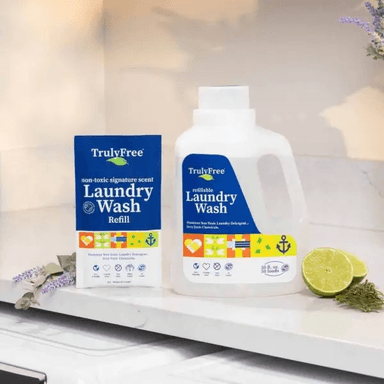
Many commercial stain removers contain harsh solvents, harmful fragrances, and toxic chemicals that can irritate skin or linger on fabric. To keep these ingredients away from your clothes—and out of your home—opt for plant-based alternatives like Truly Free Home stain-fighting products, which offer effective results without the toxic tradeoffs.