FEATURED
YOUR EVERYDAY ESSENTIALS
ExPLORE
SUPPORT
DYE-FREE CLEANING
FEATURED
YOUR EVERYDAY ESSENTIALS
ExPLORE
SUPPORT
DYE-FREE CLEANING
Some cleaning products are pregnancy safe, some aren't. Most everyday cleaning tasks won't put you or your baby at risk, but certain ingredients found in conventional cleaners have been linked to reproductive harm, developmental issues, and respiratory problems. Cleaning product manufacturers aren't required to disclose all their ingredients, which makes it harder to know exactly what you're being exposed to.
Once you know what to watch for, making safer swaps is pretty straightforward.
According to the American Pregnancy Association, there are several ingredients worth steering clear of during pregnancy.
Phthalates are endocrine disruptors that can cross the placental barrier and interfere with hormonal function. Research links prenatal phthalate exposure to reproductive issues in male children and impaired motor function. Phthalates are rarely listed on labels because they’re typically hidden under the umbrella term "fragrance." If a product lists fragrance without specifying its source, there's a good chance phthalates are involved.
Frequently used in glass cleaners, all-purpose sprays, and oven cleaners, glycol ethers are potent solvents associated with miscarriage, birth defects, and reduced fertility. Look for ingredients like 2-butoxyethanol (EGBE) or methoxydiglycol (DEGME) on labels—and avoid them.
Multiple studies have found a correlation between aerosol cleaner use during pregnancy and increased asthma risk in children. The fine particles released by aerosols are small enough to stay airborne and enter your respiratory tract, carrying whatever chemicals they contain along for the ride. Opting for non-aerosol alternatives is the easiest way to avoid this increased risk.
While occasional, well-ventilated bleach use may not pose significant risks, studies have linked regular exposure to chlorine-based disinfectants during pregnancy with increased risk of miscarriage and preterm birth. Given that safer alternatives exist, it's worth skipping bleach altogether.
Common in glass and bathroom cleaners, ammonia produces strong fumes that can irritate your respiratory system, which is already working overtime during pregnancy. Many pregnant women find their heightened sense of smell makes ammonia-based products unbearable anyway, so consider it your body's way of telling you this ingredient is a no-go.

Not necessarily. Labels like "green," "natural," or "plant-based" aren't regulated, which means products can use these terms without meeting any specific safety standards. Some "natural" cleaners still contain toxic fragrances, harsh surfactants, or other ingredients that aren't ideal during pregnancy.
Your best bet is to look for products with full ingredient transparency and check them against resources like the EWG's Guide to Healthy Cleaning, which rates products based on ingredient safety.
For more information, read our article: The Truth About Greenwashing in Cleaning Products
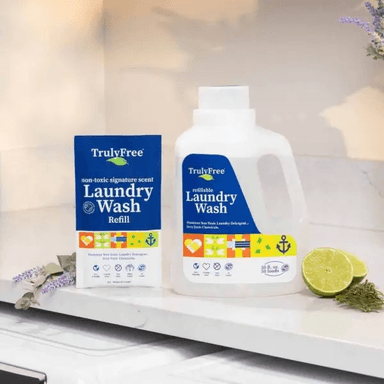
If you’re looking for pregnancy safe cleaning alternatives, opt for products that are formulated without phthalates, glycol ethers, ammonia, bleach, toxic fragrances, or any of the other ingredients on the "avoid" list. Truly Free Home non-toxic cleaning products meet all those criteria.
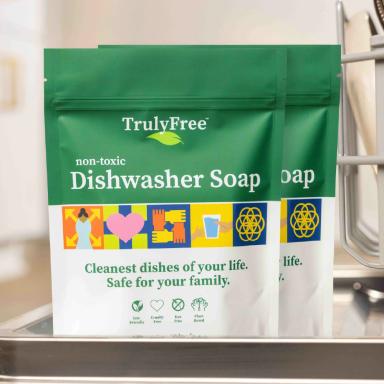
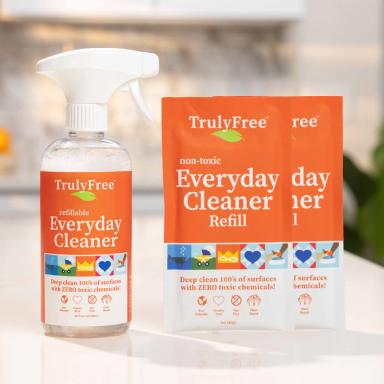
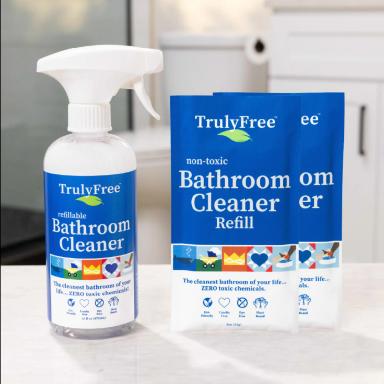
Our Bathroom Cleaner and Toilet Bowl Cleaner rely on plant-powered ingredients to tackle germs without the fumes, and our Dish Soap, All-Purpose Cleaner, and Laundry Wash are gentle enough for everyday use while you're expecting—and once baby arrives.
Even with non-toxic products, a few extra precautions can help you clean more safely when you’ve got a bun in the oven:
Keeping your home clean during pregnancy doesn't have to mean compromising your health or your baby's. With a little label-reading and some smart swaps, you can nest to your heart's content—safely.